Japan's Trails Through the Seasons
Every month brings a different Japan. Discover when to walk each trail for the most breathtaking natural experience of the year.
MARCH — MAY
Cherry Blossoms, Mountain Streams & New Life
Spring is Japan's most celebrated season and its most theatrical. The sakura front advances northward from Kyushu to Hokkaido over six weeks — transforming trail corridors into tunnels of blush-pink petals framed against cobalt skies.
Lower-elevation forest trails burst with warblers and wildflowers. Ancient pilgrimage paths see their first steady stream of walkers. Higher mountains remain snow-covered into May, making mid-mountain routes ideal for those seeking solitude and drama.
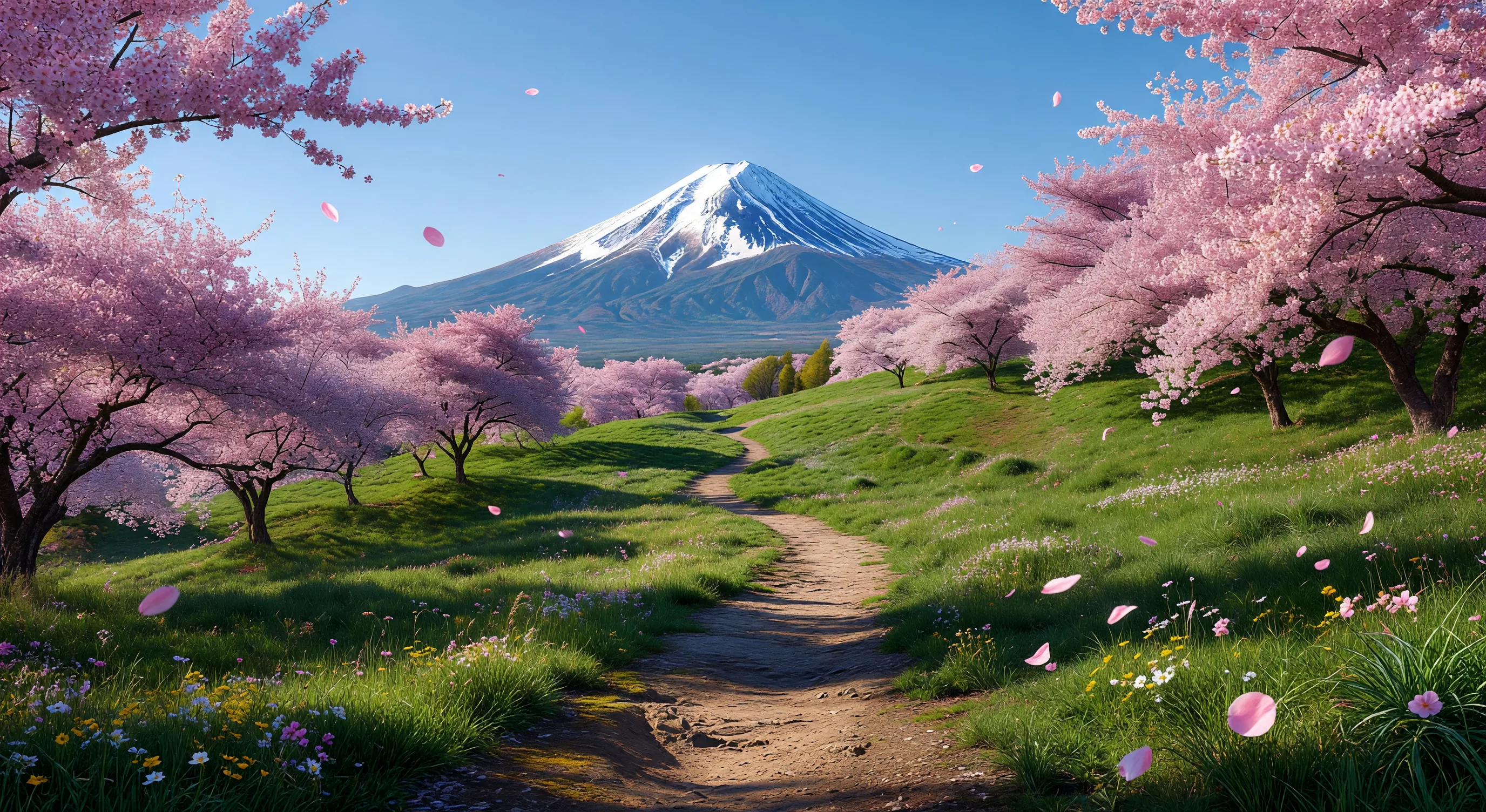
Fuji Five Lakes Circuit
Peak bloom: early April. Walk the Fuji Subaru Line Forest Trail for unobstructed sakura-and-summit photography.
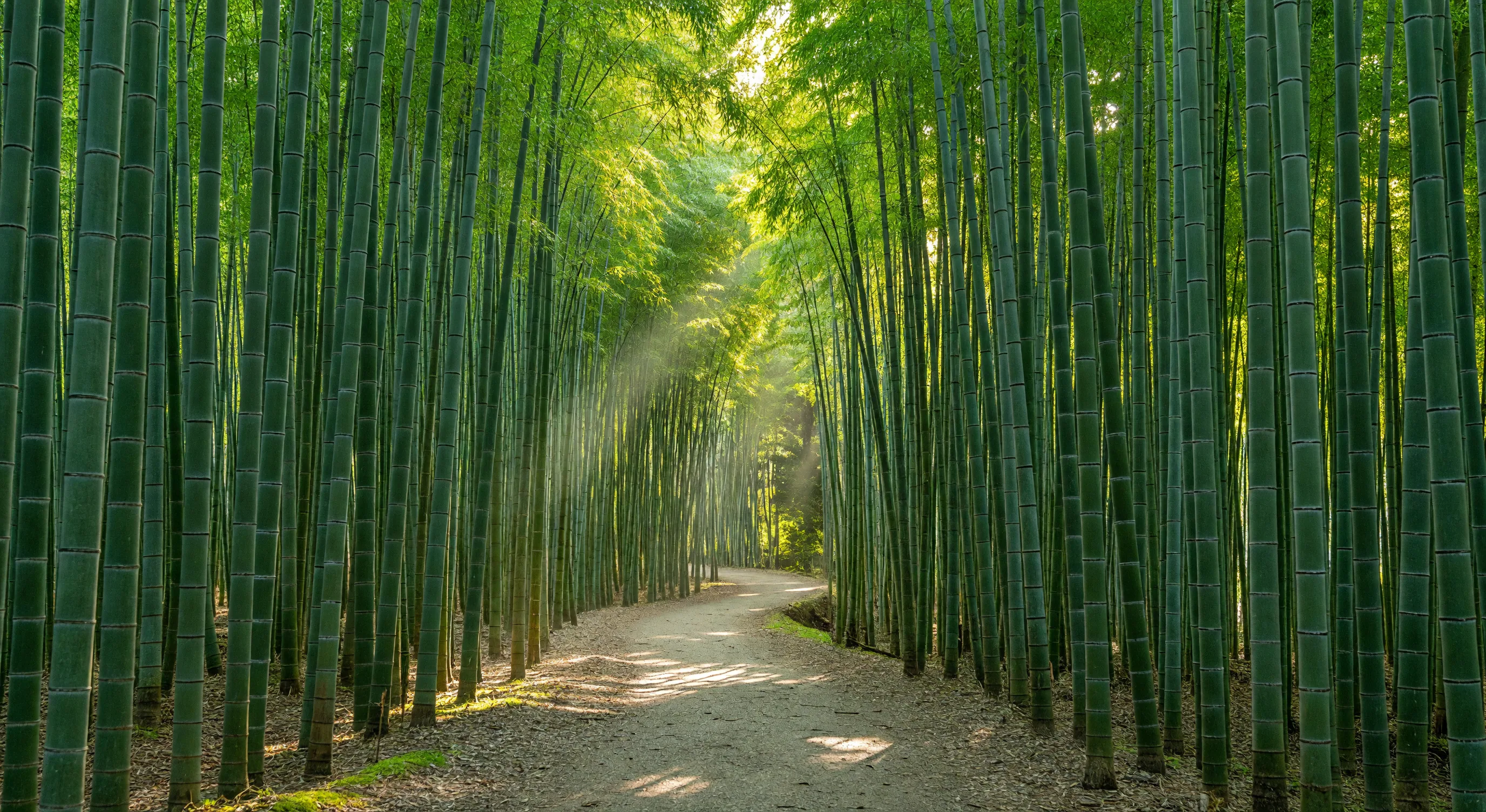
Philosopher's Path, Kyoto
The most iconic spring canal-side walk in Japan — lined with Somei Yoshino cherry trees that create a pink canopy over the water.
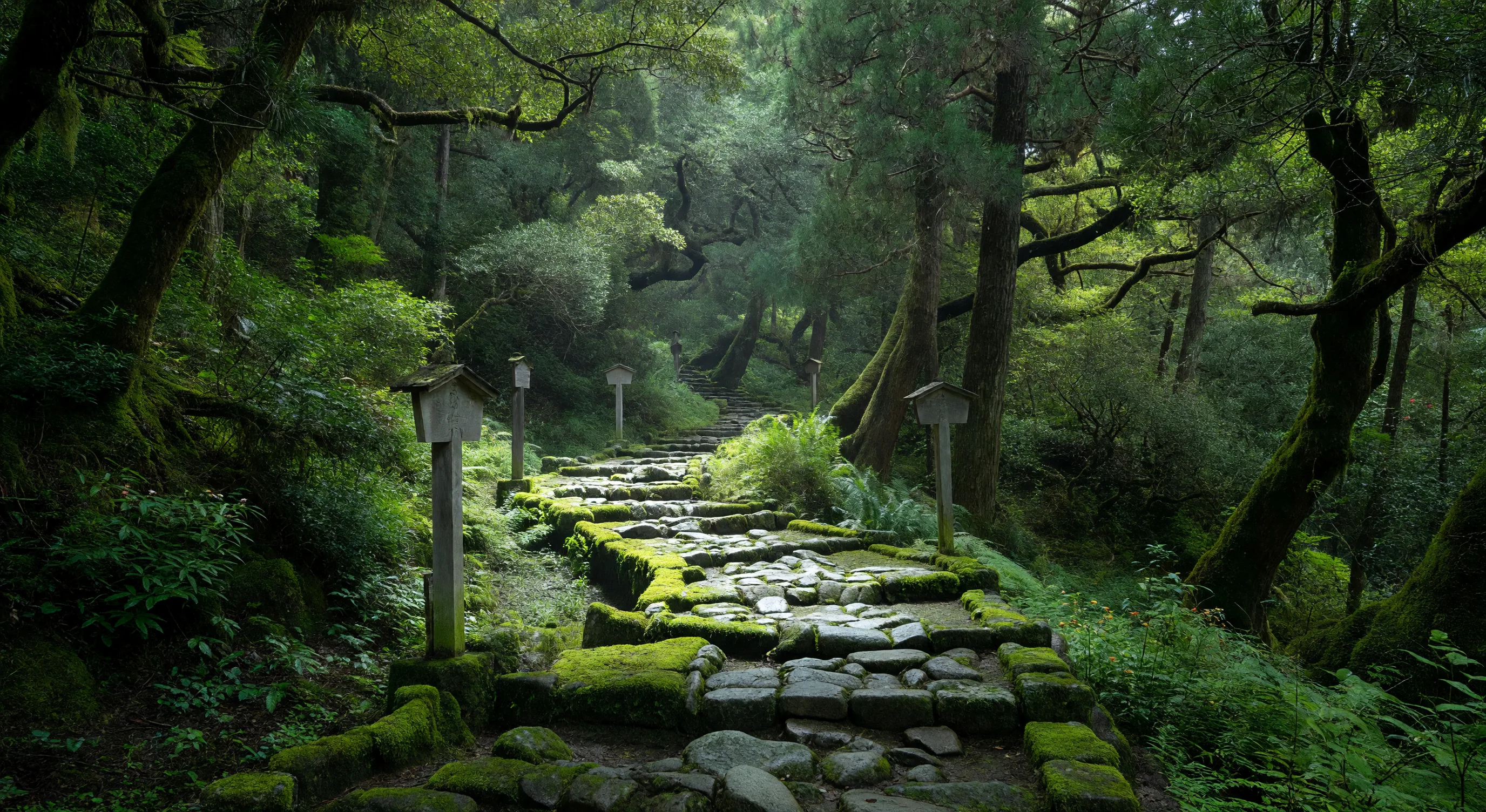
Kumano Kodō Nakahechi
Spring moisture fills the Kii Peninsula forests with lush ferns, cascading falls, and the cedar groves at their most atmospheric.
JUNE — AUGUST
Alpine Wildflowers, Cool Ridgelines & Midnight Sunsets
While coastal Japan sweats in humid heat, the high mountains offer crystal-clear air, carpets of alpine wildflowers, and the dramatic late-evening sky that only altitude provides. Summer is the prime season for Japan's alpine routes.
Hokkaido's northern trails bloom in June with lavender and lupine. The Japan Alps open their high-altitude huts in mid-July. Mt Fuji's official climbing season runs July–August — though the Fuji Five Lakes walking trails are far more enjoyable than the main crater routes.
Daisetsuzan Grand Traverse
Hokkaido's highest mountain range offers Japan's finest summer alpine trekking — vast volcanic tableaux covered in purple and yellow wildflowers.
Northern Alps Ridge Circuit
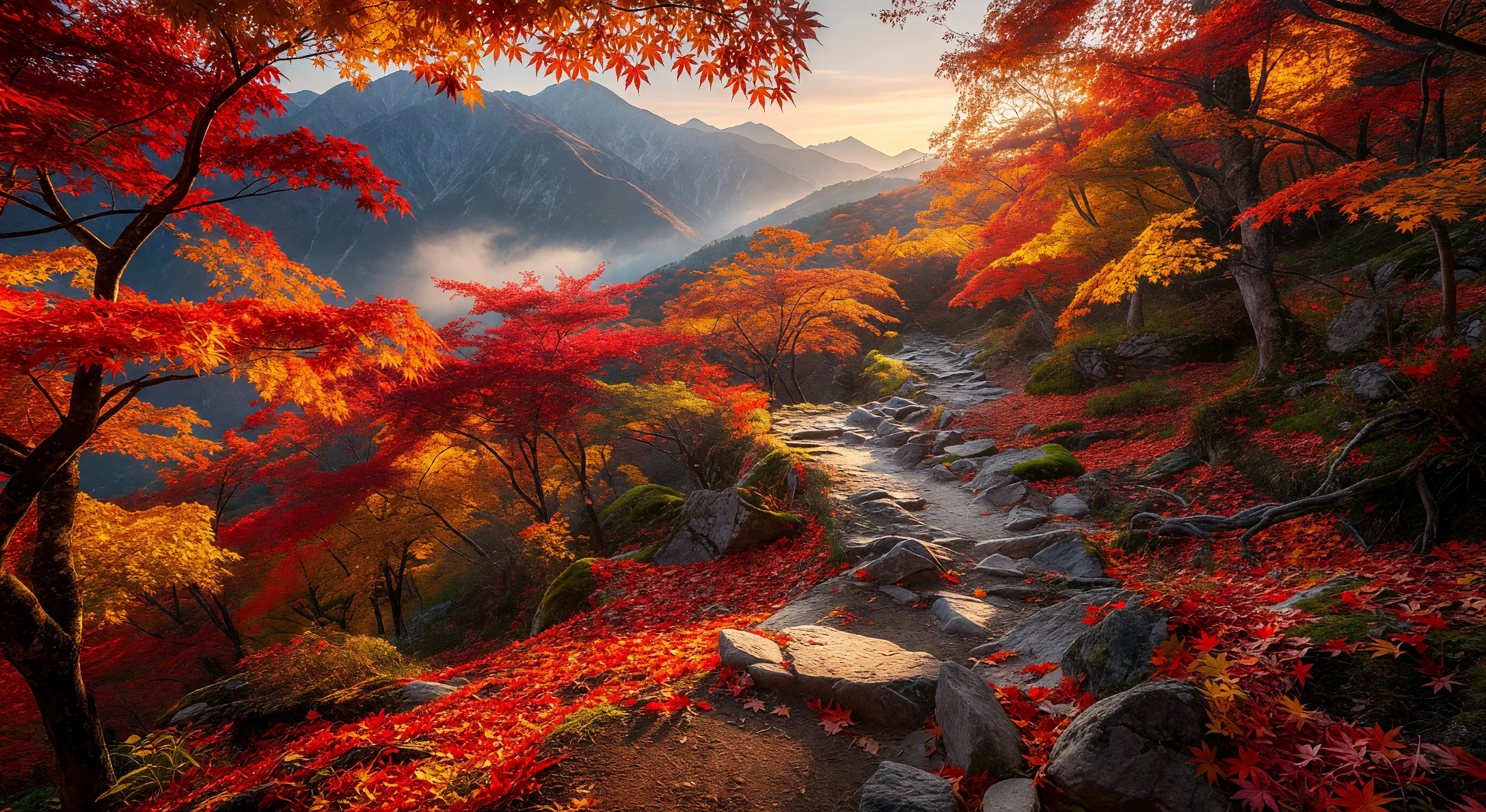
July and August are the only safe months for Japan's most demanding alpine traverses — hut-to-hut routes between Kamikochi and Murodo.
Yakushima Forest Circuit
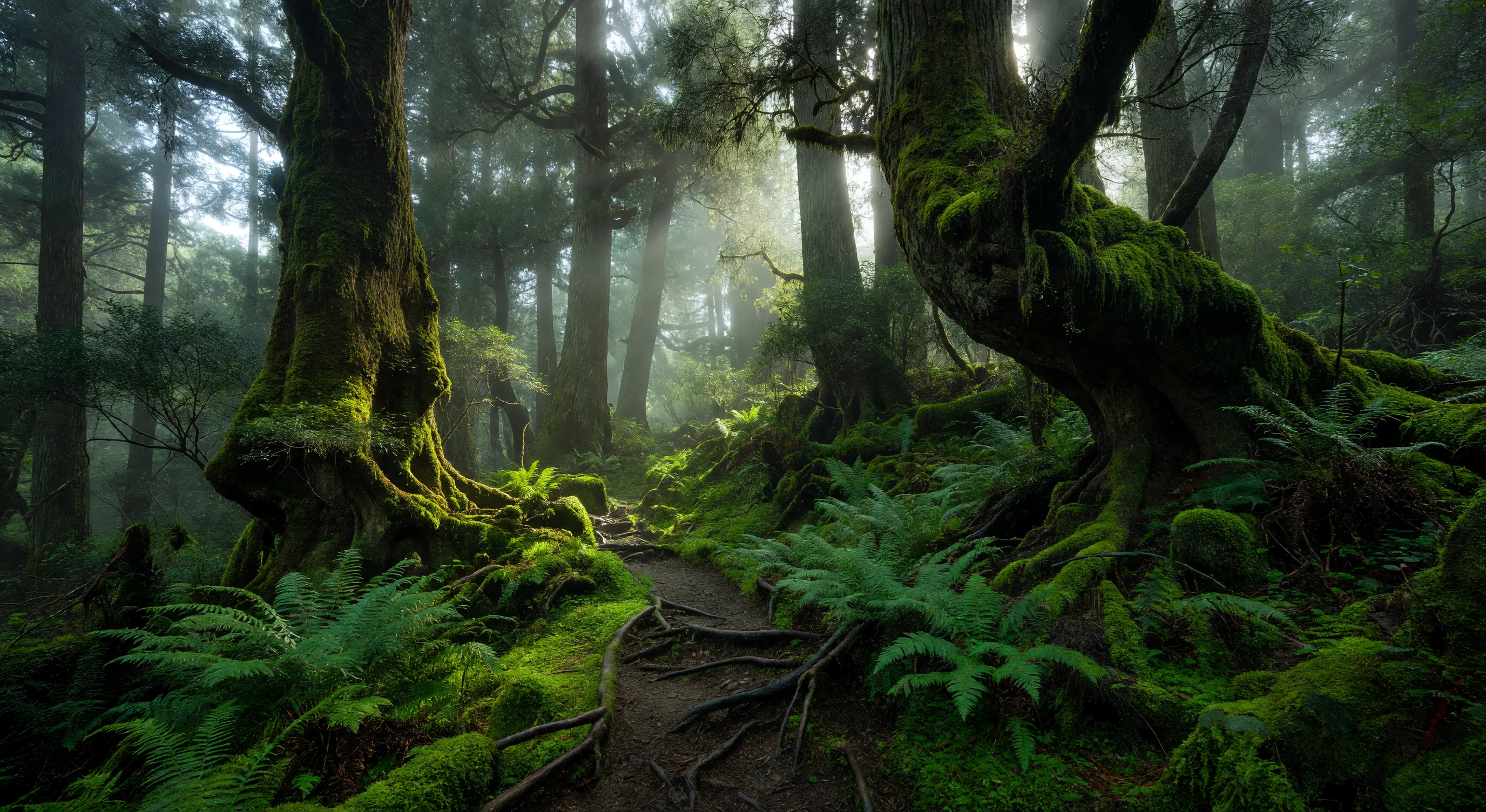
Summer rains make Yakushima's forests extraordinarily lush and primeval — the island earns its nickname as "the place where moss grows on the moss."
SEPTEMBER — NOVEMBER
Japan's Most Spectacular Natural Spectacle
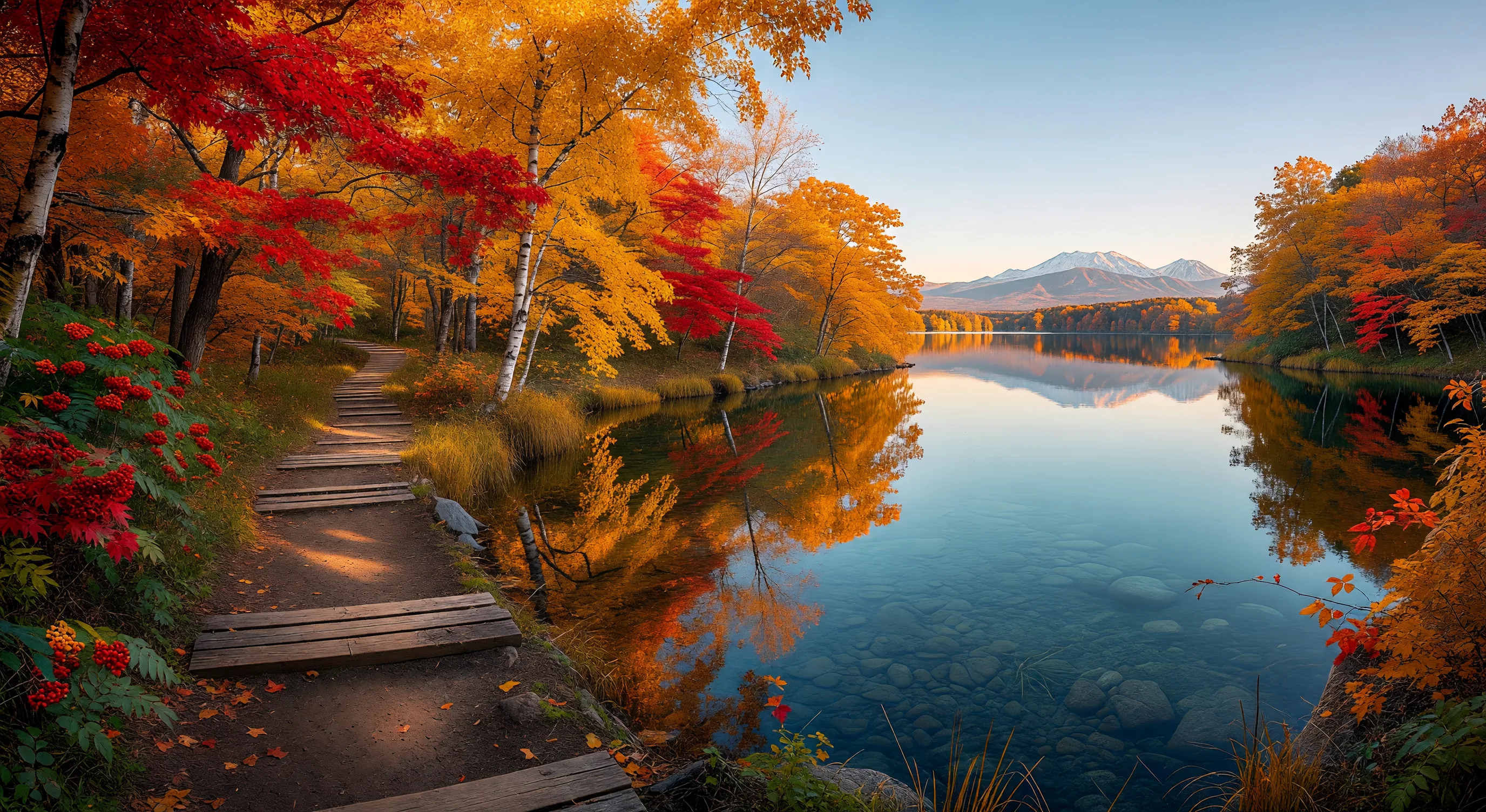
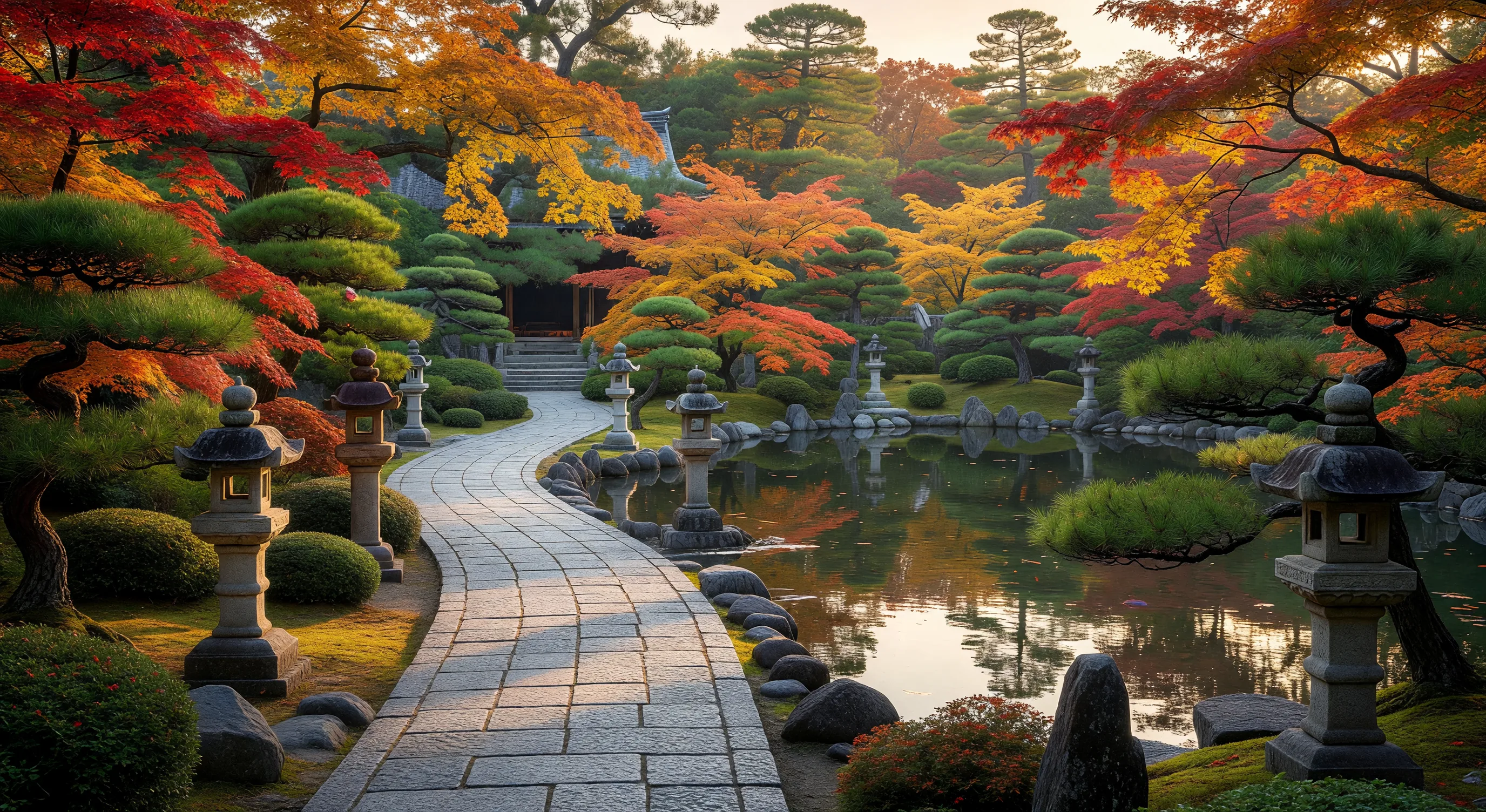
Koyo — Japan's autumn leaf-changing season — is arguably one of the planet's most breathtaking natural phenomena. The colour change front descends from alpine elevations in September, reaching lowland cities and valleys in November.
Walking trails during koyo offer the rare experience of passing through entire hillsides of vermillion maple, gold ginkgo, and rust-bronze oak — with the contrast of dark pine ridgelines behind and blue autumn skies above. Many hikers consider this Japan's finest walking season.
Central Alps Autumn Ridge
The Kiso Valley and surrounding ridges turn gold from late September — larch forests are particularly spectacular at altitude with panoramic mountain views.
Nikkō Autumn Forest Trail
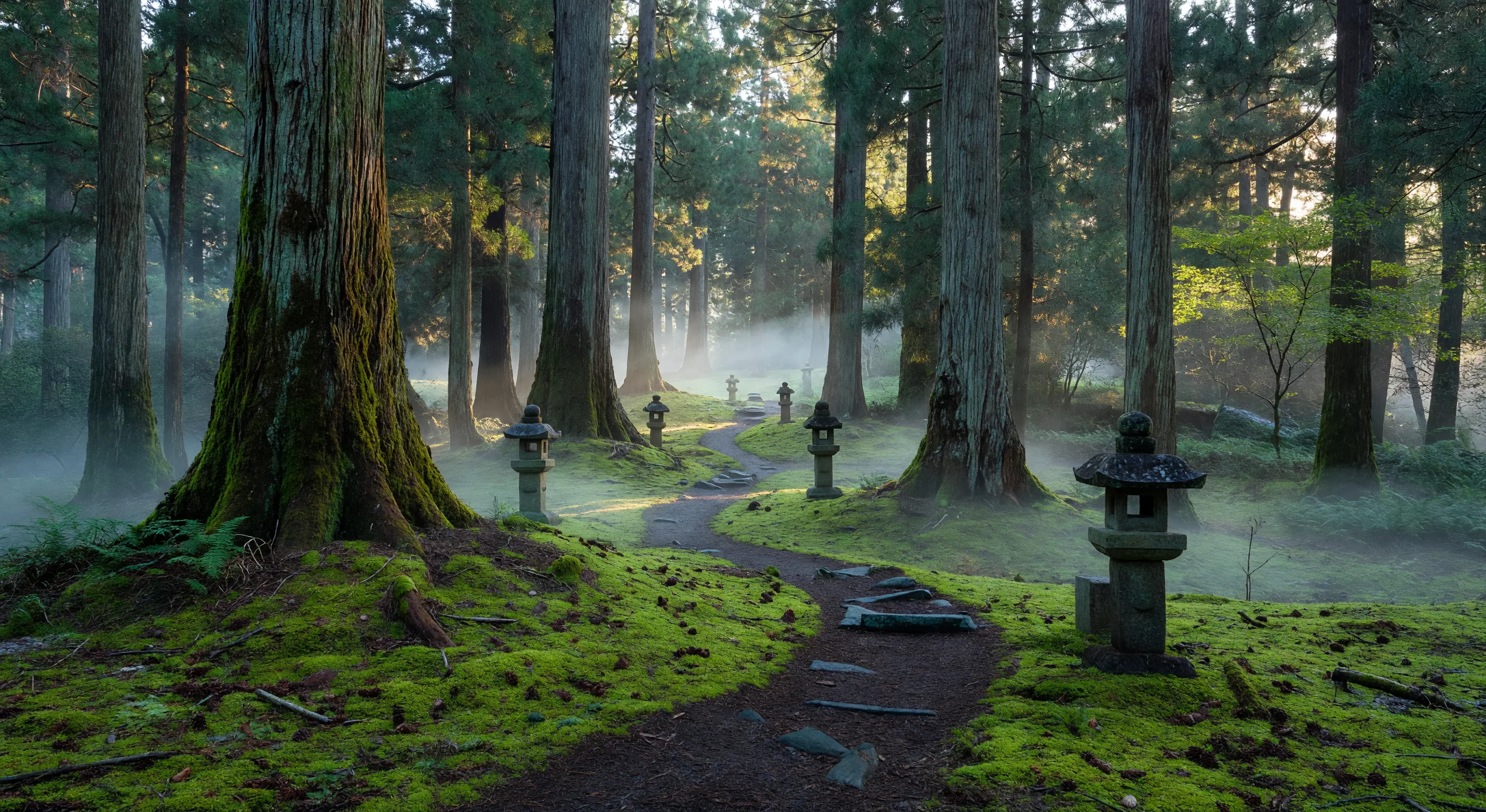
Nikkō's mixed cedar-maple forest creates extraordinary colour layering — from golden canopy to russet ferns at ground level. Peak: late October.
Arashiyama Autumn Circuit
Kyoto's western hills reach colour peak in mid-November — the bamboo groves frame vivid red maple in a contrast unique to this landscape.
DECEMBER — FEBRUARY
Silent Snow, Frozen Temples & Crystal Mountain Air
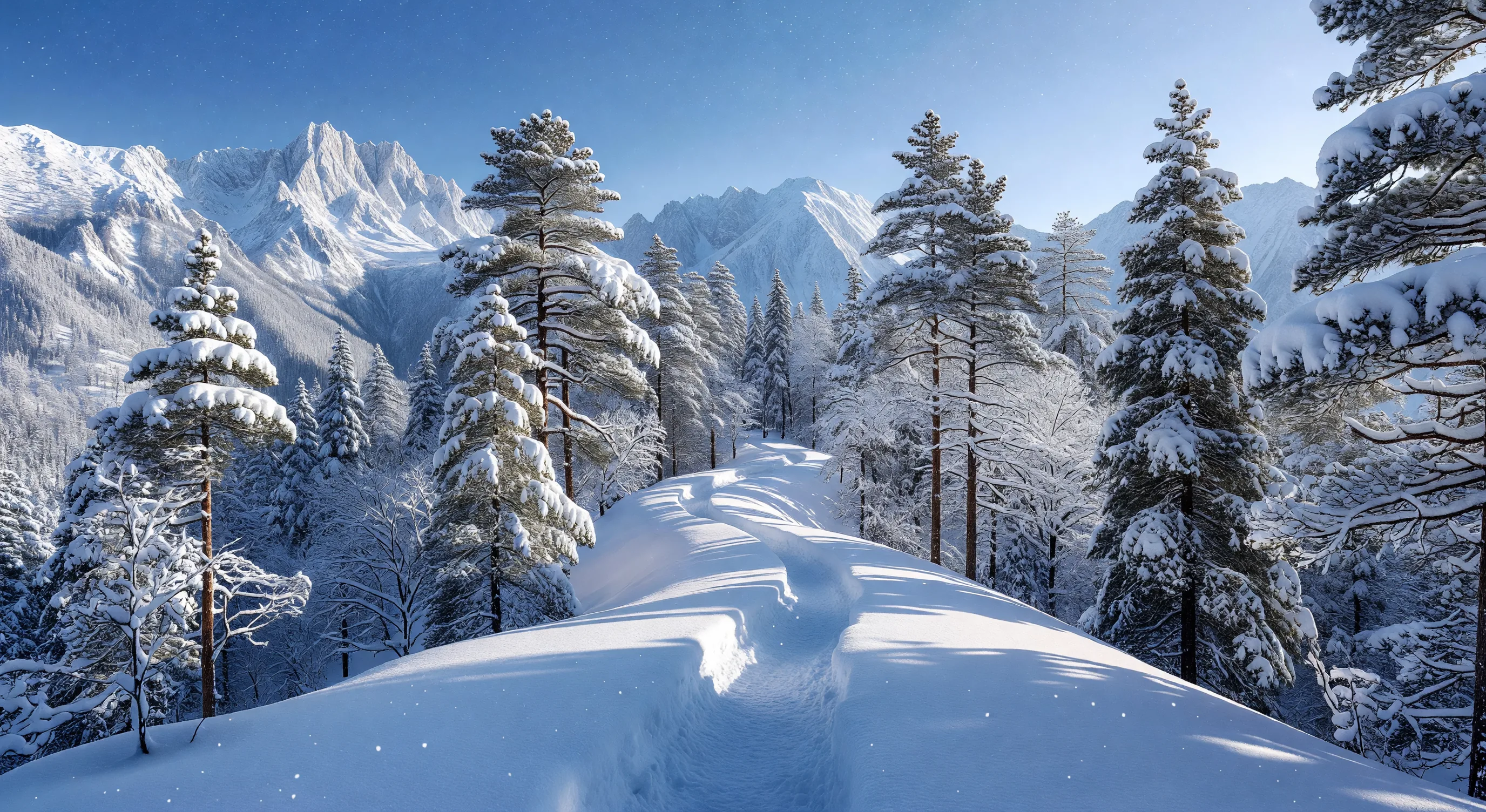
Winter transforms Japan's trails into silent, frost-dusted landscapes that few foreign walkers experience. Snowshoeing the forests of Tohoku, traversing ice-edged rice paddies in Niigata, or walking temple paths in Kyoto between snowfalls — these are profoundly intimate encounters with Japan.
Experienced winter hikers can access the Japan Alps with crampons and appropriate gear for views of unprecedented clarity. Coastal trails in western Japan remain accessible year-round, while Okinawa offers subtropical warmth throughout the season.
Zao Snow Monster Trail
In Yamagata Prefecture, sub-zero winter winds coat trees in ice creating the famous "snow monsters" — unique snow sculptures towering above the trail.
Kyoto Winter Temple Walk
Kyoto receives light snow 5–10 days per year. Walking the Higashiyama stone path between temples in freshly fallen snow is one of Japan's rarest travel experiences.

San'in Winter Coast Trail
Japan's western coastline is dramatic in winter — grey seas, crashing waves, and deserted clifftop paths. Perfect for solitude seekers.
Month-by-Month Walking Overview
At a glance: the best months to walk across all of Japan's major trail types — alpine, forest, pilgrimage, coastal, and urban.
Seasonal Preparation & Safety
🌸 Spring Walking Tips
Spring trails can be deceptively challenging — snowmelt creates wet, slippery surfaces on mountain paths well into May. Layers are essential as temperatures fluctuate dramatically from morning to midday.
- Book accommodation in cherry blossom season well in advance — popular trail towns fill up months ahead
- Carry waterproof layers: spring rains in western Japan can be persistent
- Higher mountain trails (above 1500m) may still require microspikes through April
- Check sakura forecasts on JMA's official website for accurate bloom timing
⛰️ Summer Alpine Safety
Summer alpine routes require proper preparation. Weather windows can close rapidly in the Japan Alps, and afternoon thunderstorms are common from late July onward.
- Register a hiking plan (tozan todoke) at the trailhead or police station — legally required in many national parks
- Start early: aim to reach exposed ridges before 14:00 to avoid afternoon lightning risk
- Hut reservations are mandatory in summer for most Japan Alps routes
- Hydrate more than you think necessary — humidity at altitude is deceptive
🍂 Autumn Trail Conditions
Autumn is generally the most stable walking season in Japan, with lower humidity, good visibility, and firm trail surfaces. However, crowding at popular koyo spots can be intense.
- Visit Kyoto's Higashiyama corridor early morning (before 8am) to experience the stone paths without crowds
- Foliage timing varies by 2–3 weeks year to year — check local forecast apps (e.g., Koyo Navi)
- Pack warm layers for morning walks at elevation — October nights in the Japan Alps drop below freezing
- Typhoon season extends through late September — check weather forecasts before heading to coastal trails
❄️ Winter Trail Essentials
Winter walking in Japan ranges from gentle snow-dusted temple paths to serious alpine expeditions requiring full mountaineering gear. Know your route category before setting out.
- Urban and low-elevation trails (Kyoto, Kamakura) are accessible in standard waterproof walking boots
- Any mountain route above 1000m from November onward requires crampons, ice axe competence, and navigation skills
- Hot spring (onsen) towns along trail routes are ideal winter bases — plan your overnight stays accordingly
- Avalanche risk is real in the Japan Alps and Tohoku mountains — stay on marked routes
Get Season-by-Season Trail Alerts
We send timely updates on bloom forecasts, trail openings, koyo peaks, and snowpack conditions — directly to your inbox.